
Stay up to date on the latest trends, events, and resources that grow business.

The Summer of 2026 delivered no shortage of must-watch moments. As one standout season comes to a close, a new wave of sports and seasonal content is poised to keep viewers engaged through the rest of the year.

Advertisers are investing more money in video than ever. But that spend is now tied to a nagging question: where is the ad actually running, and does it even matter?

Reaching voters is becoming increasingly challenging as media consumption fragments and voter attention splinters. On top of that, there is a growing distrust of messaging on social media platforms, which is leaving some advertisers to rethink where they show up.

Millennials have experienced every major shift in the modern media landscape. They sat in front of the TV for weekly episodes, embraced streaming when Netflix evolved beyond DVD rentals, and were the first generation to adopt digital video platforms like YouTube.

Brands have always known that both traditional TV and streaming drives reach and awareness, but more than ever they are seeking capabilities that show performance for their advertising investments.

This year’s Cannes Lions made one thing unmistakable: Premium TV advertising is evolving into a fully accountable, performance-driven channel. Across announcements and industry conversations, the shift toward measurable outcomes, AI-powered optimization, and scalable global activation continues to accelerate.
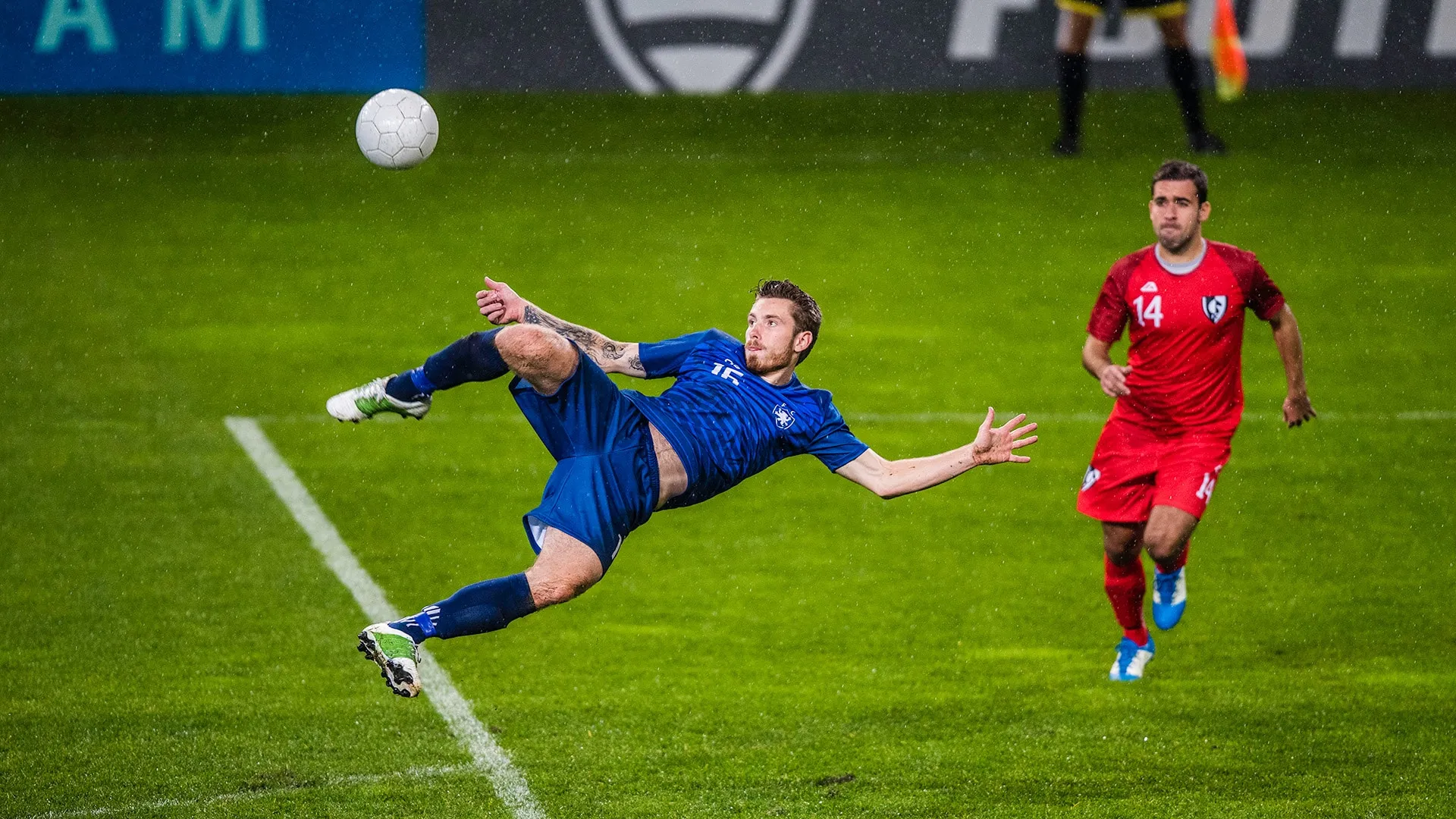
Summer is here and with it comes sun, fun, and a wealth of opportunities for advertisers to connect with sports fans. In fact, advertisers who air during summer sports programming reach 5.8X more households than those who only advertise at other times of the year.

There has long been a debate in the industry about what actually makes video content premium versus non-premium. At Comcast Advertising, we believe that modern premium video is content delivered transparently, in a trusted brand-safe environment, seen by real people within a high-quality viewing experience.
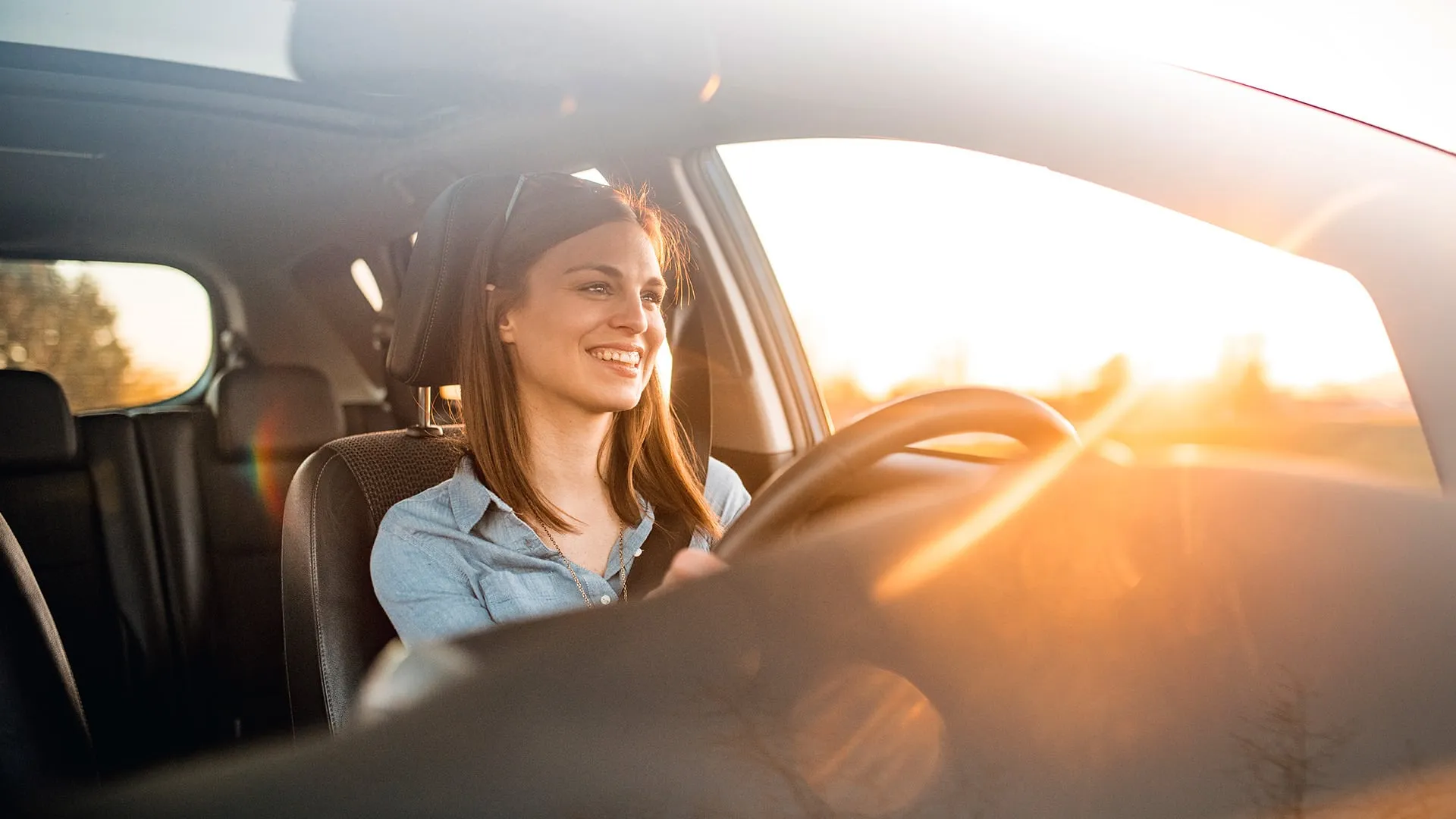
Today’s auto marketers are navigating a complex, fragmented media environment. Audiences are split across more screens and platforms, and automotive brands are still working to bridge national brand messaging with regional and local dealer efforts to turn impressions into action.

Gen Z is often considered the first fully digital-native generation as many were born after Y2K. Many advertisers assume that given Gen Zer's obsession with social media and digital video clips, they don’t watch TV—but this is a misconception.