

Women’s sports have experienced a major surge in popularity over the last few years, and with its record-breaking viewership comes the ripe opportunity to connect with engaged audiences. 60% of sports fans said they would like to see more media exposure for women’s sports highlighting the major interest from viewers.

Live sports offer something few other genres can: massive, real-time audiences that are deeply engaged. With 85% of fans preferring to watch games on TV over attending in person, it’s no surprise that sports accounted for 96% of the most-watched non-political programs.
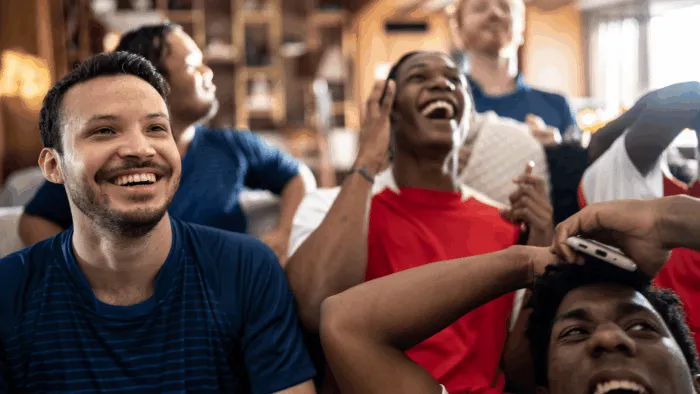
While viewers can typically find sports content throughout the year, fall sports have viewers glued to their TV screens every week – with 58% of sports impressions in 2024 generated in the fall. Most people think of the NFL when they hear fall sports, but it goes beyond that, with college sports accounting for 61% of sports viewership in the U.S..
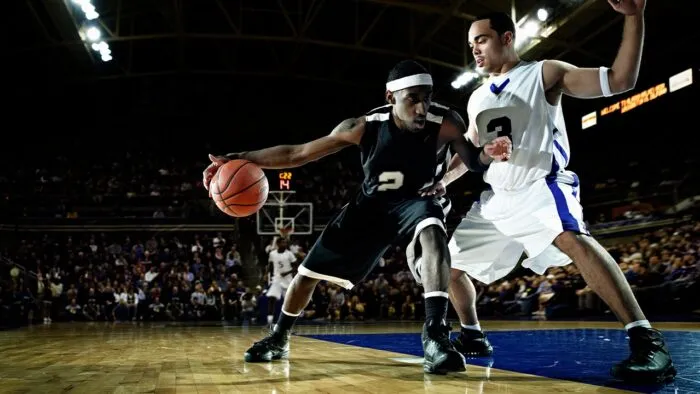
People go mad for March Madness and new research reveals why TV advertisers do, too. In 2024, 71% of U.S. households tuned into March Madness programming, with each household watching an average of 10.5 hours over the course of the tournament, highlighting the widespread attraction of the event.

Live sports keep audiences on the edge of their seats all year long. In fact, around 88% of Comcast households watch live sports throughout the year, and these households spend an average of 23 hours per month watching live sports.

Super Bowl ad opportunities come at a premium – topping $8M for a 30 second spot – limiting the brands that can align with the big game. But that doesn’t mean your brand message can’t find opportunities with similar impact when it comes to reaching the right set of viewers.
Sports have long been considered premium content for publishers, advertisers, and viewers. And while the shift to streaming comes with fragmentation, it also creates more opportunities for advertisers to incorporate sports into their buys and reach viewers while they’re watching the content they love.

Sports bring in loyal audiences who tend to tune in regardless of how their favorite team is faring. And with its continued expansion into streaming, sports fans have more opportunity to engage with the content they enjoy.
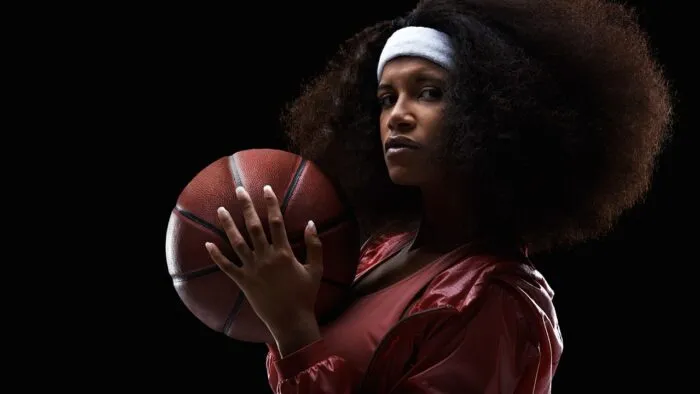
For decades, marketers have turned to men’s sports to reach and engage consumers. In 1941, the first paid TV advertisement in the U.S. was before a men’s baseball game, and the industry never looked back. Until now.

Sports advertising helps agencies, big or small, beat market fragmentation and harness the reach of live sporting events to make their clients’ brands stand out among sports fans, one of the most diverse and passionate audiences in today’s media landscape.