
Stay up to date on the latest trends, events, and resources that grow business.
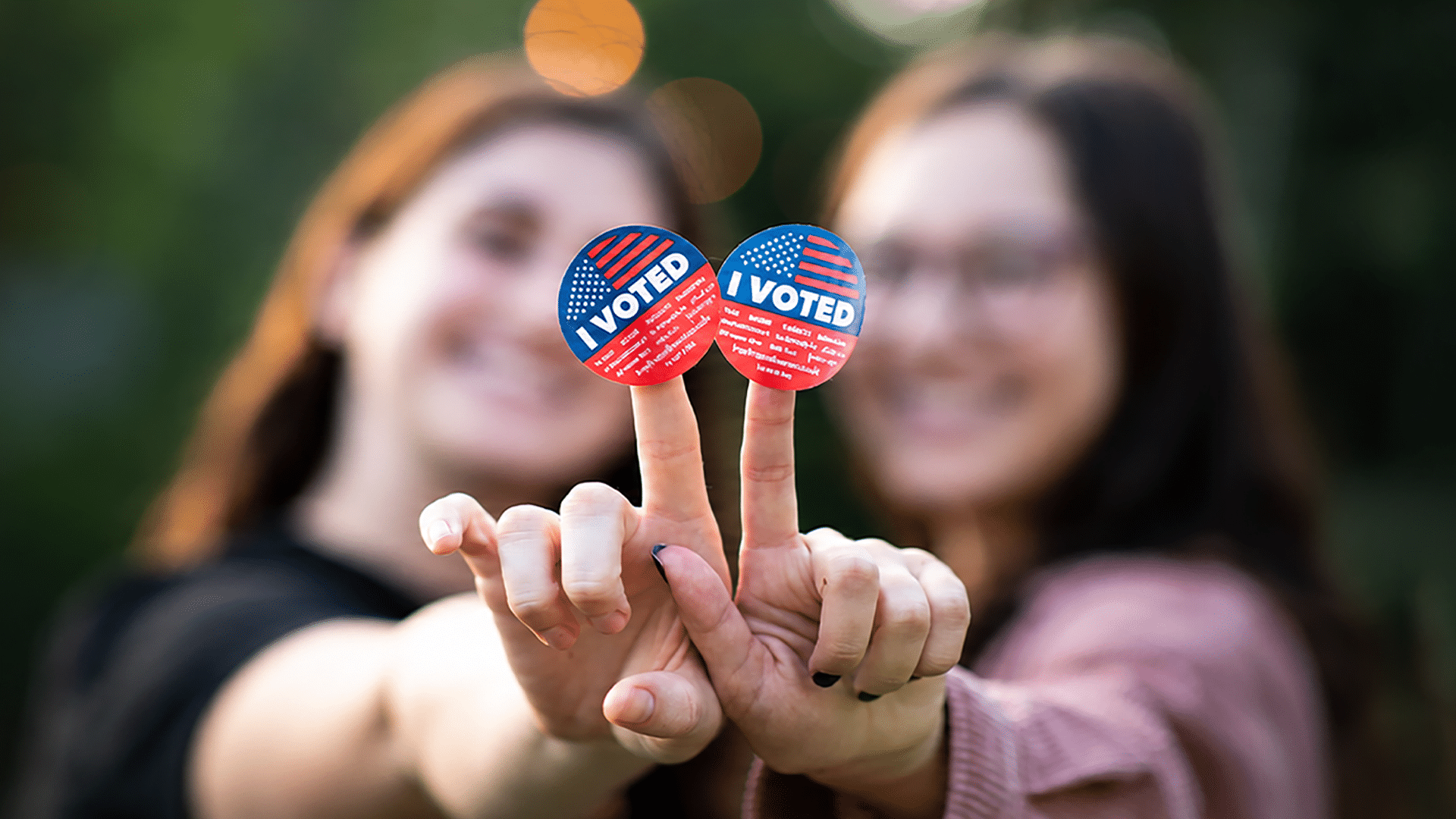
With audiences fragmented across traditional TV, streaming and digital platforms, political advertisers need strategies that help them reach the right voters efficiently, consistently, and with messages that matter.
Political advertising has always required speed and agility as campaigns have needed to adjust quickly, but measurement has often lagged behind. Traditionally, campaigns had to wait until after Election Day to understand what worked, which messages moved voters, and where media dollars made the greatest impact.
Reaching voters is becoming increasingly challenging as media consumption fragments and voter attention splinters. On top of that, there is a growing distrust of messaging on social media platforms, which is leaving some advertisers to rethink where they show up.
As audiences hop between screens and platforms, political advertisers face a critical challenge: ensuring their message reaches the right voters. The strongest campaigns blend the power of multiscreen TV with advanced data and technology to deliver precision, efficiency, and measurable performance.
According to recent reports, political ad spend continues its upward trajectory with the 2024 election cycle seeing the most spend in any cycle to date – hitting a record-breaking $11 billion.

Hispanic voters are one of the most influential voter groups in the United States. There are projected to be 36.2 million eligible Hispanic voters for the November 2024 election cycle, a 153% increase since the 2000 election cycle. Latinos are the largest of any ethnic voter group, making it essential for political advertisers to understand and reach this audience during this election cycle and beyond.
As the November 2024 general election quickly approaches, political advertisers representing campaigns at the national, state, and local levels are busy strategizing how to make the most of their budgets to deliver the most powerful and persuasive messages.
The race to November is in its final stretch and it’s more important than ever for political advertisers to be able to reach potential voters. According to AdImpact, the overall 2023-2024 election cycle is predicted to be the most expensive to date, with over $10 billion projected in ad spend.
Political advertisers face a range of challenges and opportunities in the upcoming elections. As consumers continue to fragment their viewing across screens, concerns about fraud, transparency, and accurate attribution abound, making it harder to reach—and measure the reach of—the voters needed to secure a win.
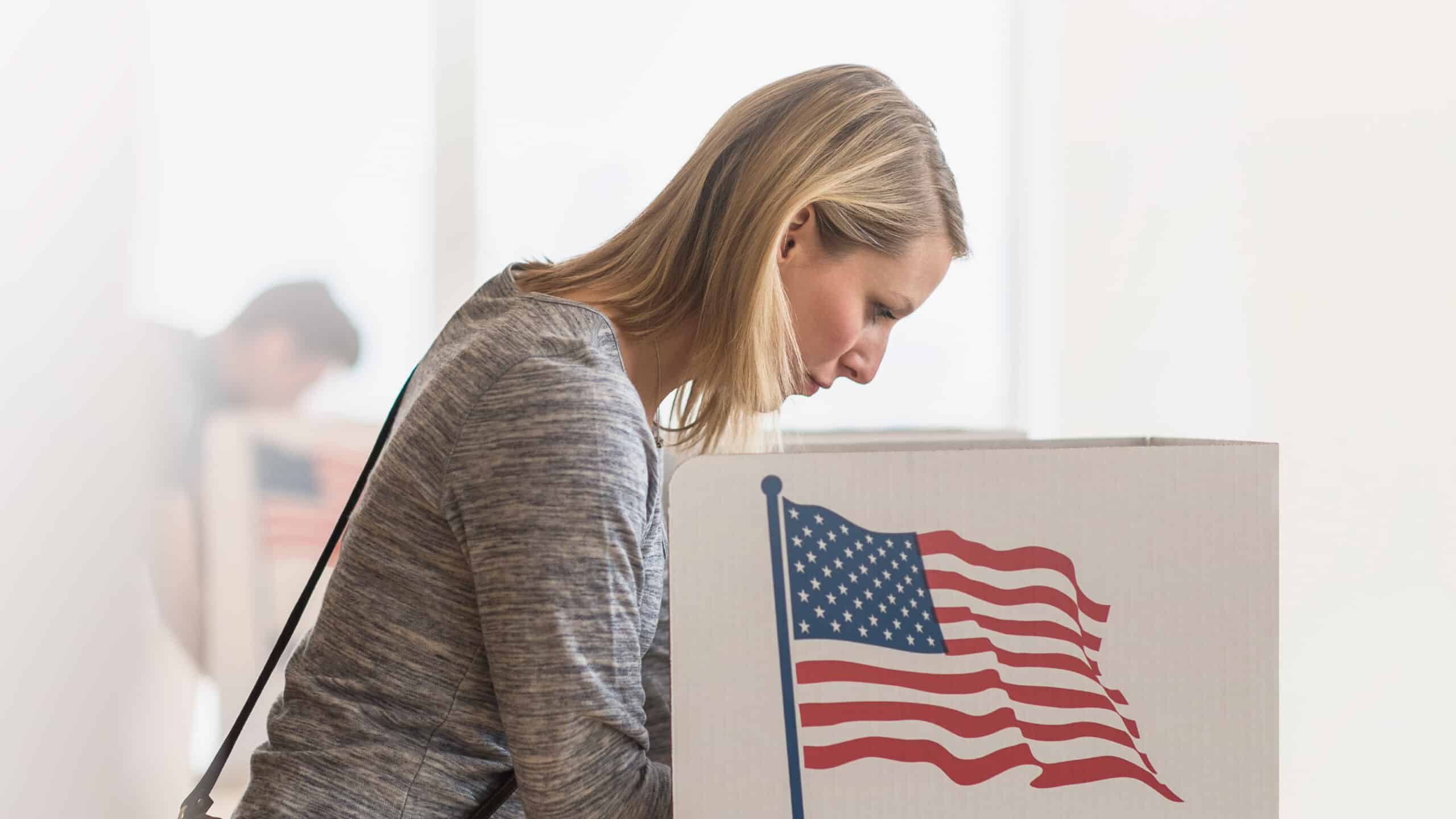
Over the past few years, women voters have become increasingly integral in determining election outcomes. Not only do women represent half of the population, they also have been found to vote at higher rates than men.